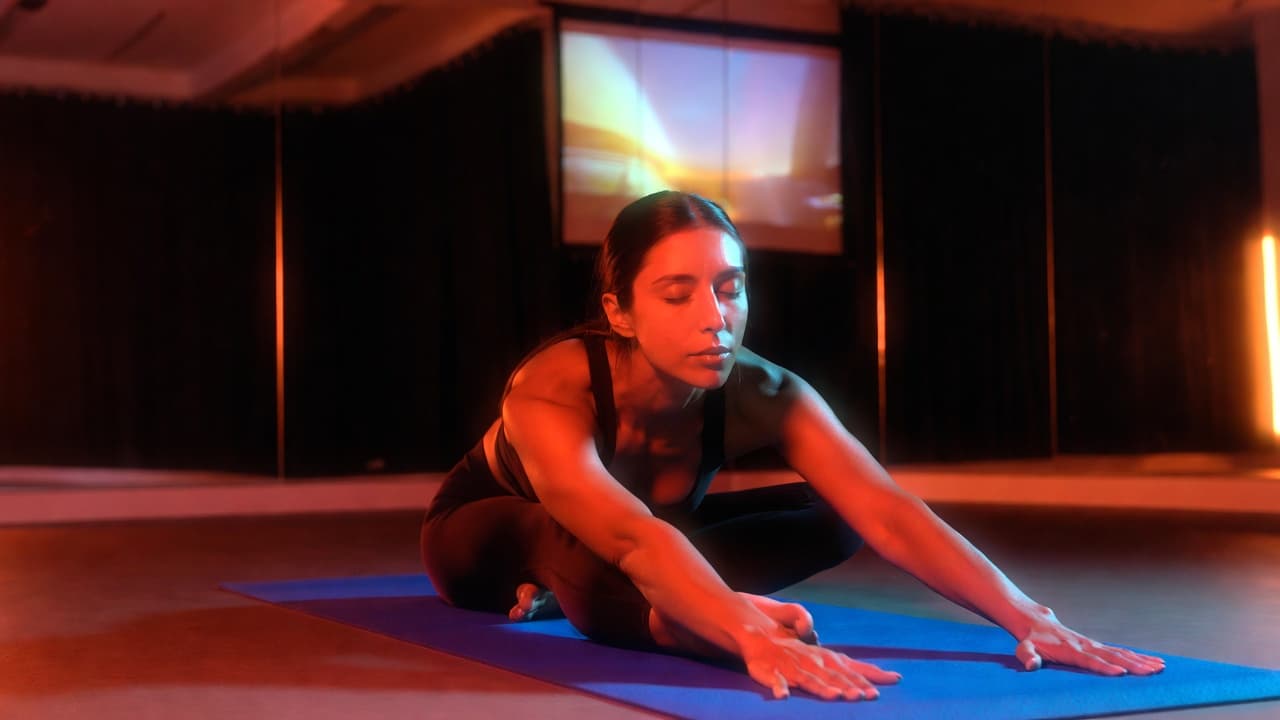
Yes. Yoga is one of the safest physical activities you can do, with or without hands-on instruction. Injury rates are lower than running, team sports, CrossFit, and even walking when adjusted for time spent moving. Your body has built-in feedback systems that protect you—if you listen to them.
The fear of "doing it wrong" keeps people on the sidelines. They wait for the right class, the right instructor, the right moment. Meanwhile, they're not moving at all—which is far more dangerous than any yoga pose.
Research shows that most yoga injuries share a common cause: someone ignored what their body was telling them. They pushed through pain. They forced a pose. They let ego override sensation. The injury didn't happen because no one was watching. It happened because they stopped watching themselves.
Your body already knows more about protecting itself than you give it credit for.
Why This Matters
The perceived need for constant supervision prevents people from starting:
- Waiting for perfect conditions means not moving. Sedentary life is the actual danger—stiff joints, weak muscles, poor posture, declining mobility. These aren't yoga injuries. They're the cost of waiting.
- Your body provides real-time feedback. Pain is immediate. You can't accidentally force a stretch—your body resists before damage occurs. The sensation of "too far" arrives before injury does.
- Internal awareness beats external correction. Learning to feel proper alignment builds body literacy that protects you for life. Being told where to put your foot teaches you one pose. Noticing when something feels wrong teaches you everything.
Who This Is For
People afraid of getting hurt without supervision. You've heard yoga can cause injuries and worry about practicing without someone watching your form.
Those who've been waiting for the "right" conditions. The right class, the right instructor, the right confidence level. Meanwhile, you're not moving.
Anyone nervous about group classes. You don't want others watching you figure it out. Video-guided practice removes that pressure entirely.
Experienced practitioners questioning whether they need instruction. You know the poses but wonder if you should always have eyes on you.
Your Body Already Knows
Pain is immediate feedback. Reach for your toes right now. Notice how your body stops you at a certain point? That's not weakness. That's your nervous system protecting your tissues.
This is what makes yoga fundamentally different from activities involving external forces. A barbell doesn't care about your limits. A basketball court doesn't cushion your landing. But in yoga, you're working against your own resistance. Your range is your range.
The people who get hurt are the ones who override these signals. They see someone else in a deeper pose and decide their body's feedback doesn't apply. They confuse depth with achievement.
Why Awareness Beats Correction
Research on yoga injuries suggests something surprising: external adjustments—an instructor physically moving you into a pose—can actually increase injury risk in some cases.
Why? Because the adjustment bypasses your body's feedback. Someone else decides what "correct" looks like, and your nervous system doesn't get a vote.
Internal cues matter more than external corrections:
- Good verbal cueing helps you find alignment
- But the goal is building your own awareness
- Not depending on someone else's eyes
This doesn't mean instruction is useless. It means the best instruction teaches you to feel, not just to obey.
The Low-Pressure Advantage
Video-guided classes offer something traditional instruction can't: consistent cueing without the pressure of being watched.
You can pause. Modify. Rest. Push harder. Nobody notices. Nobody judges. The instruction continues whether you're in full expression of a pose or taking child's pose for the fifth time.
This low-pressure environment actually makes people safer:
- No ego competition with the person next to you
- No instructor you're trying to impress
- You're more likely to listen to your body instead of overriding it
Add heat to the equation and tissues become more pliable. Your safe range of motion expands naturally. The warmth isn't just comfortable—it's protective.
Permission to Modify
Every pose has a version for you. Not a lesser version. Your version.
What your body can do today is what your practice looks like today. Tomorrow might be different. Next month almost certainly will be.
The people who practice longest aren't the ones who push hardest. They're the ones who learned to meet their body where it is.
When You Do Want Expert Eyes
You're not limited to practicing alone. Coached classes put a certified coach in the room while the same video plays. They're not teaching—the video handles that. Their entire job is watching form, offering adjustments, and providing personalized modifications.
This means you get more individual attention than traditional instructor-led classes, where the teacher juggles pacing, demonstration, and 30 other students. Coaches focus 100% on coaching.
Smart path for beginners:
- Start with coached classes to build proper form and body awareness
- Add immersive sessions once you feel confident reading your own signals
- Return to coached whenever you want fresh eyes on technique
You're never stuck in one mode. Choose based on what you need that day.
Pros and Cons
Pros of video-guided yoga:
- Consistent, high-quality instruction every time
- No pressure from being watched
- Freedom to modify without judgment
- Lower injury risk from ego-driven pushing
- Practice more often (classes every 30 minutes)
Cons of video-guided yoga:
- No real-time form correction (unless you choose coached)
- Requires self-awareness to modify appropriately
- May feel unfamiliar if you're used to traditional classes
Your Next Step
Stop waiting for perfect conditions. The safest thing you can do is start moving.
Your body already knows how to protect itself. Video guidance provides consistent cueing. Heat makes movement safer. And if you want expert attention, coached classes deliver more personal focus than traditional studios ever could.
Find your nearest ALIVE Studios and start your trial month. Whether you choose immersive freedom or coached guidance, you're covered.