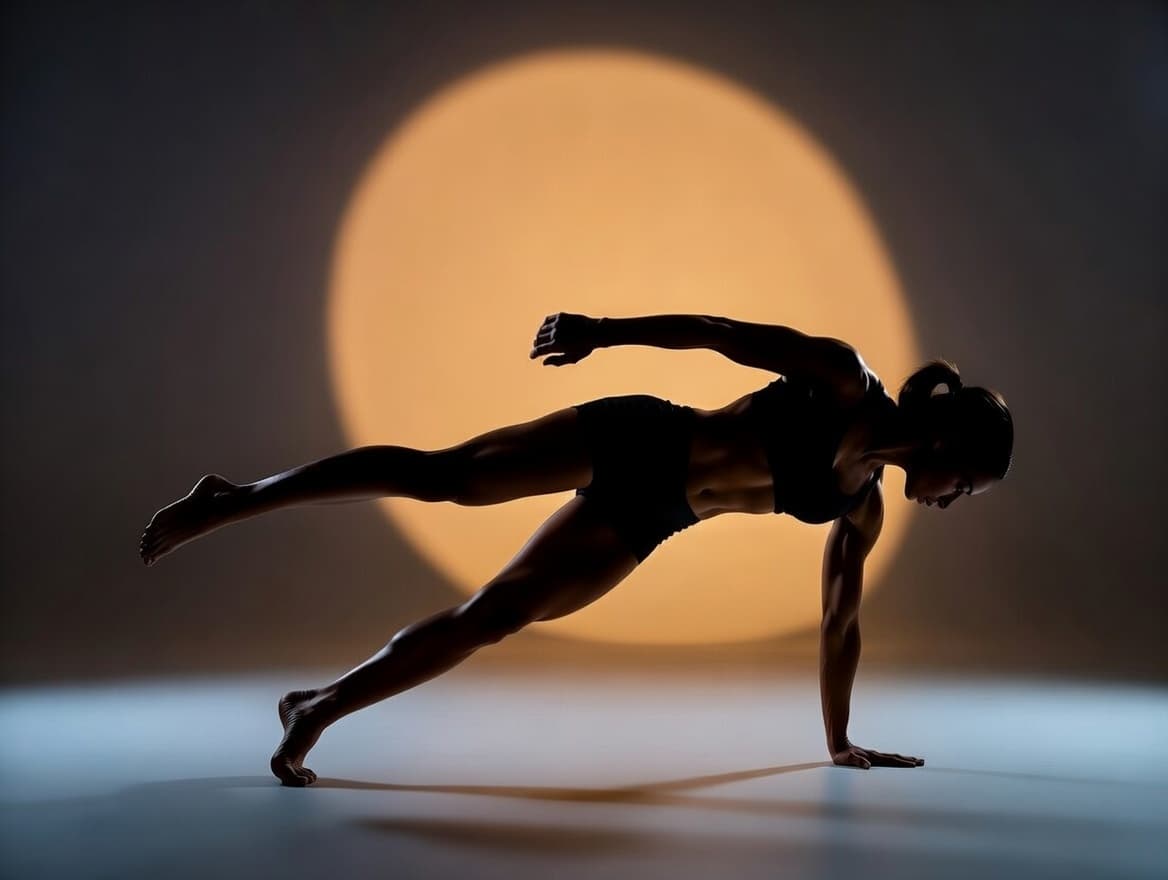
The six fundamental movement patterns are push, pull, hinge, squat, loaded carry, and ground work. These aren't arbitrary categories—they're the movements humans have performed for hundreds of thousands of years. Master these, and everything else in fitness falls into place.
Your body was designed around these patterns. They kept our ancestors alive: pushing threats away, pulling food closer, hinging to lift heavy objects, squatting to rest, carrying loads across distances, and getting up and down from the ground. Today, they're the foundation of functional fitness—the key to a body that works as well as it looks.
The fitness industry loves complexity. New machines, trendy workouts, exercises with names you can't pronounce. But the science keeps confirming the same thing: these six movements cover everything your body needs. Train all six consistently, and you build balanced, capable, resilient strength.
Why This Matters
Each movement pattern serves a purpose. Neglect any one, and gaps develop:
- Push and pull balance each other. Train only pushing, and you get rounded shoulders and back problems. Train both, and you build a stable, pain-free upper body.
- Hinge protects your spine. Most back injuries happen because people bend their spine instead of hinging at their hips. Master the hinge, and you've got a back that handles real life.
- Squat keeps you functional. You squat every time you sit, stand, or pick something up. Lose the ability to squat well, and basic life gets harder.
- Carry builds usable strength. Gym strength that doesn't transfer to carrying groceries or luggage isn't real strength.
- Ground work predicts longevity. The ability to get up from the floor without help is one of the strongest predictors of how long you'll live.
Who This Is For
Anyone confused by fitness complexity. You don't need 50 different exercises. You need six movement patterns trained consistently.
People who want strength that transfers to real life. Not just gym strength—the kind that helps you move furniture, play with kids, and stay independent as you age.
Athletes looking for a foundation. Every sport builds on these patterns. Master the basics, and sport-specific skills improve.
Anyone starting over or coming back to fitness. These movements are where you begin—and where you return when you need to rebuild.
The 6 Movement Patterns
Push
A push is any movement where you drive resistance away from your body. Pushing yourself up from the floor, pressing a door open, lifting something overhead.
Why it matters: Push movements build chest, shoulders, and triceps. More importantly, pushing strength translates to real life—getting up from a fall, lifting objects overhead, playing on the floor.
Examples: Pushups, chest presses, overhead presses, dips.
Pull
A pull draws resistance toward your body. Pulling open a heavy door, hoisting yourself up, rowing.
Why it matters: Modern life creates weak backs and rounded shoulders. We sit hunched over screens all day, and pulling muscles suffer. Training pulls corrects posture imbalances and builds the back strength that protects your spine.
Examples: Rows, pullups, lat pulldowns, face pulls.
Hinge
The hinge is a bend at the hips—not the spine—where your torso tips forward while legs stay relatively straight.
Why it matters: This is how you should pick things up. Every. Single. Time. Hinges build powerful glutes and hamstrings—the engine of athletic performance—while teaching your spine to stay safe under load.
Examples: Deadlifts, kettlebell swings, Romanian deadlifts, good mornings.
Squat
The squat lowers your body by bending knees and hips simultaneously, keeping torso relatively upright.
Why it matters: You squat every time you sit down or stand up. Toddlers do it perfectly before we teach them to use chairs. Strong squats mean strong legs, healthy knees, and the ability to move through life without limitations.
Examples: Goblet squats, air squats, front squats, lunges.
Loaded Carry
Pick up something heavy. Walk with it. Simple, primal, devastatingly effective.
Why it matters: Carries build strength you can actually use. They challenge grip, core, and posture all at once—the same way real life does when you're hauling luggage or bringing in groceries. Research shows carries improve core stability, cardiovascular endurance, and mental toughness.
Examples: Farmer walks, suitcase carries, waiter walks, sandbag carries.
Ground Work
Everything below standing height—getting down to the floor, moving while there, and getting back up.
Why it matters: The ability to rise from the floor without using hands is one of the strongest predictors of longevity. Studies show people who struggle with this have significantly higher mortality rates. Ground work keeps you mobile, capable, and independent as you age.
Examples: Turkish get-ups, crawling patterns, rolling, floor-to-standing transitions.
How the 6 Patterns Work Together
These movements serve three distinct purposes:
Thrive movements (hinge and carry) make you athletic. They build power and stability—the foundation for running faster, jumping higher, and moving with confidence.
Drive movements (push, pull, squat) shape your body. They trigger hormonal responses that build muscle and burn fat. When you look strong and feel strong, these movements deserve credit.
Survive movements (ground work) keep you capable for life. They combine all other patterns in practical ways, ensuring you can handle unexpected physical challenges—playing with grandkids, recovering from a fall, staying independent.
Pros and Cons
Pros of training all 6 patterns:
- Builds balanced, functional strength
- Prevents the imbalances that cause injury
- Transfers directly to real-world activities
- Simplifies programming—you know what to train
- Supports longevity and independence
Cons of pattern-based training:
- Requires learning proper form for each pattern
- Less novelty than constantly changing workouts
- May feel "basic" to those seeking complexity
Your Next Step
Stop overcomplicating fitness. Start training the six movements your body was built for.
Our workshop classes are designed around these fundamental patterns: Advanced Body Dynamics for push and squat, Dynamic Core Fusion for hinge and pull, Fluid Progression for all six integrated. The heated environment makes the work feel like an experience, not just exercise.
Browse our class types to find your fit. Find your nearest ALIVE Studios and start your trial month.