You don't need another diet. You don't need a meal plan, a macro calculator, or a list of forbidden foods. You don't need someone to tell you that donuts are bad and vegetables are good.
You already know this. You've known it since you were a kid.
What you need is to eat like an adult. And the fitness industry has made that way harder than it should be.
Why Nutrition Feels So Hard
Here's something that might change how you think about your relationship with food: you're not weak, undisciplined, or broken. You're fighting evolution.
For somewhere between 100,000 and 400,000 years—depending on which scientists you ask—humans survived by following two simple rules:
Rule one: Food is scarce and hard to get. When you find it, eat as much as you can. You don't know when the next meal is coming.
Rule two: Conserve energy. Don't move unless you have to. Hunting, gathering, and escaping predators burn calories you might need to survive.
The humans who followed these rules lived long enough to have children. The ones who didn't? They starved, froze, or got eaten. Natural selection is brutal but effective.
Here's the problem: you inherited their genes. Your brain still operates on scarcity programming. It still tells you to eat everything available and rest whenever possible. It still treats a pantry full of food like a miracle that might disappear tomorrow.
But the world changed. Food is everywhere now. Physical labor is optional. The rules that kept your ancestors alive are making you sick.
When you overeat or skip the gym, you're not failing. You're responding to instructions that were written into your DNA before civilization existed. That deserves empathy, not shame.
The Problem with Diets
Most diets fail for the same reason: they fight your biology with willpower, and willpower always runs out.
The keto devotee white-knuckles through three weeks before face-planting into a pizza. The intermittent faster becomes an intermittent binger. The calorie counter develops a relationship with food that looks a lot like an eating disorder.
And here's the part nobody wants to hear: weight lost quickly comes back quickly.
Crash diets work in the short term. You drop 15 pounds for a wedding or a vacation. Then you gain back 20. The pattern repeats. Each cycle gets harder as your metabolism adapts and your relationship with food deteriorates.
Slow, boring, sustainable changes don't make for good Instagram content. But they're the only thing that actually works.
The Simple Rules
Forget everything the diet industry has told you. Nutrition doesn't need to be complicated. Here's what actually matters:
Cut back on sugar. Not eliminate—cut back. Your body doesn't need the amount of sugar that modern food contains. Read labels. Be aware. Reduce where you can.
Cut out cardboard carbs. These are the processed, refined carbohydrates that have been stripped of fiber and nutrients. White bread, chips, crackers. They spike your blood sugar and leave you hungry an hour later.
Get rid of Frankenstein fats. Industrial seed oils, hydrogenated fats, anything created in a lab. Your great-grandparents wouldn't recognize these as food. Neither should you.
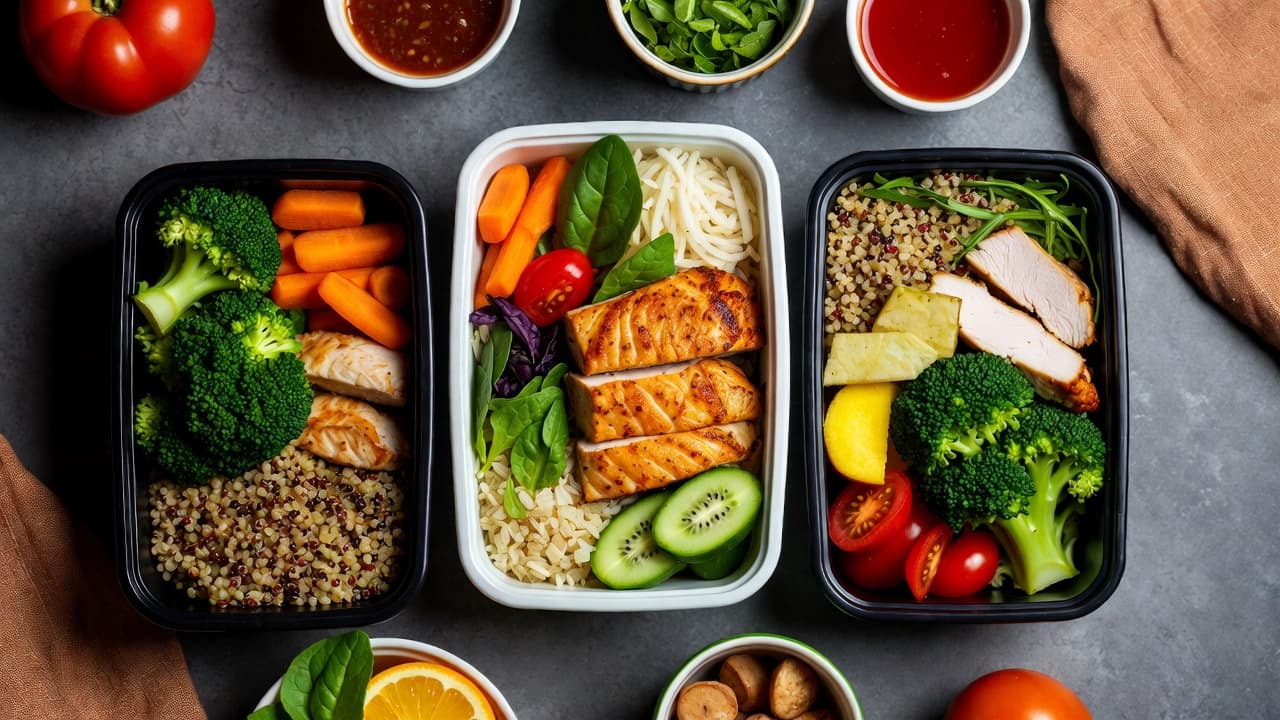
Eat colorful vegetables. And no, french fries and potato chips don't count. The color comes from nutrients. More colors, more nutrients. Simple.
Eat lean protein. Meat for strength. Veggies for health. Protein keeps you full and maintains muscle mass. Make it a priority at every meal.
Drink water. Not soda. Not juice. Not "vitamin water." Actual water. Most people are chronically dehydrated and mistake thirst for hunger.
That's it. No macros to track. No foods to fear. No complicated timing protocols.
What "Eat Like an Adult" Actually Means
Here's the thing: you know what's good for you and what isn't. You don't need an app to tell you that a salad is healthier than a burger, or that water is better than soda.
Eating like an adult means making the better choice more often than you make the worse one. It means acknowledging that you're not a child who needs treats after every hard day. It means taking responsibility for what you put in your body without needing permission, tricks, or hacks.
Think of it as a continuum. On one end: processed, sugary, artificial. On the other end: whole, colorful, natural. You don't have to be perfect. You just have to keep moving in the right direction.
One meal doesn't define you. One bad day doesn't erase a good week. One indulgent weekend doesn't make you a failure. Progress isn't linear, but the direction matters.
The Long Game
The bus bench and park bench mindset applies to nutrition too.
Sometimes you need a focused push—a few weeks of cleaner eating to reset habits or jump-start results. That's bus bench nutrition. Eyes on the goal, discipline engaged, timeline defined.
But you can't live there forever. Most of your eating life should be park bench—sustainable, enjoyable, not obsessive. Eating well because it's become who you are, not because you're grinding through a challenge.
The people who maintain healthy body composition for life aren't the ones who do the most aggressive diets. They're the ones who found a way of eating they can sustain without white-knuckling through every meal.
Slow changes stick. Fast changes don't. Build habits instead of relying on willpower. Let time do the work.
You're Not Doing This Alone
Remember what the research shows about sticking with fitness? Community matters more than almost anything else. The same applies to nutrition.
When you're surrounded by people who eat well, eating well becomes normal. When your training partners prioritize nutrition, you feel accountable. When the culture supports good choices, making good choices gets easier.
This is why crash diets done in isolation rarely stick. You're fighting evolution, modern food engineering, AND social pressure. That's too many battles at once.
But in a community of people who are all trying to move in the right direction? The currents start working with you instead of against you.
Movement and Nutrition Together
Nutrition supports your training. Training supports your nutrition. They work together.
When you move regularly, your body regulates hunger better. When you eat well, your workouts improve. When both are dialed in, everything else—sleep, stress, energy—tends to fall into place.
You don't have to be perfect at either one. You just have to keep showing up. Park bench days count. Imperfect nutrition beats perfect paralysis.
The goal isn't to become a monk. It's to build a life where health and fitness support everything else you want to do—picking up grandchildren, staying independent, participating in life with people you admire.
That's worth eating like an adult for.
Ready to build the movement habits that support everything else? Find a studio near you and book a class.